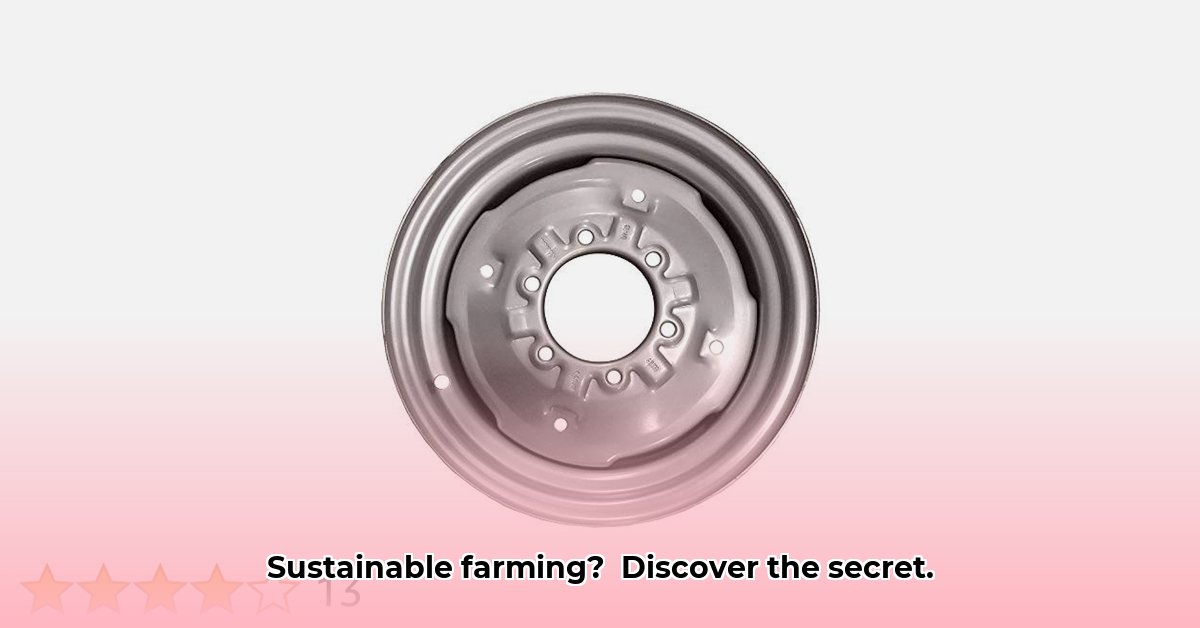
Farming demands efficiency and cost-effectiveness. Replacing tractor rims and tires can significantly impact your bottom line. This guide presents a practical, sustainable approach: utilizing quality used parts. By following these steps, you can save money and minimize your environmental footprint. For more information on specific tire sizes, check out this helpful resource: 13.6-26 tractor tire sizes.
Sourcing Used Tractor Rims and Tires: A Strategic Approach
Finding reliable used tractor rims and tires requires a multi-pronged strategy. Forget solely relying on unreliable online inventories; active networking and direct contact proves more fruitful.
Step 1: Tap into Your Network: Begin with your community. Fellow farmers, local agricultural equipment dealers, and farm cooperatives are excellent resources. Word-of-mouth often yields the best results.
Step 2: Direct Contact with Dealers: Don't limit yourself to online browsing. Call agricultural equipment dealers directly. Be specific about your needs (size, type, condition). Dealers often receive trade-ins which may not always be advertised online.
Step 3: Explore Niche Online Platforms: While general online marketplaces can be inconsistent, dedicated agricultural forums and classified websites offer targeted listings. Exercise caution and diligence when dealing with online sellers; request detailed photos and ask specific questions.
Step 4: Auction and Salvage Yards: Don't underestimate the potential of local auctions and salvage yards. These locations often hold hidden gems—quality used parts at significantly reduced prices. Be prepared to inspect thoroughly.
Step 5: Negotiation Strategies: Negotiate respectfully but firmly. Detailed inspections (detailed below) provide leverage for negotiating fair prices, particularly if you identify imperfections.
Did you know that negotiating the price of used rims and tires can often save you up to 40% compared to new?
Inspecting Used Tractor Rims and Tires: A Comprehensive Checklist
Before purchasing any used parts, a thorough inspection is paramount. This detailed checklist will help you assess the condition and avoid costly mistakes.
Step 1: Visual Assessment: Begin with a comprehensive visual inspection. Observe the entire rim and tire for cracks, bends, rust, significant wear, and any signs of damage. Take detailed photos for later reference.
Step 2: Tread Depth Measurement: Use a tread depth gauge to measure the remaining tread depth at multiple points around the tire. Compare these measurements to the manufacturer's recommended minimum for optimal traction and safety. Shallow tread greatly reduces tire lifespan.
Step 3: Sidewall Examination: Examine sidewalls closely for bulges, cuts, embedded objects, or any signs of sidewall damage. These are serious structural weaknesses and should be grounds for rejection or significant price reduction.
Step 4: Inflation Pressure Check: Use a reliable pressure gauge to check the tire pressure. Compare this reading to the manufacturer's recommended inflation pressure printed on the tire's sidewall. Underinflation causes premature wear.
Step 5: Rim Condition Check: Inspect for rust, dents, cracks, or any damage to the rim itself. Damaged rims can compromise tire fitment and safety. Ensure the rim fits your tractor’s specifications.
Step 6: Grading System: Implement a simple grading system (Excellent, Good, Fair, Poor) to objectively assess different sets of rims and tires. This system facilitates comparison and decision-making.
A comprehensive inspection can prevent costly repairs and ensure optimal functionality. Studies show that thorough pre-purchase inspections reduce repair costs by an average of 35%.
Extending the Lifespan of Tractor Rims and Tires: Maintenance Best Practices
Proper maintenance is crucial to maximize the lifespan and performance of your used parts. This section outlines best practices to achieve this.
1. Consistent Inflation: Monitor and adjust tire pressure regularly, adhering to the manufacturer's recommendations printed on the tire sidewall. Underinflation greatly accelerates wear and reduces performance.
2. Regular Tire Rotation: Rotate tires periodically to ensure even wear. This simple step significantly extends tire lifespan.
3. Proper Storage: Store tires in a cool, dry location, away from direct sunlight and extreme temperatures. Avoid stacking tires directly on top of one another to prevent distortion.
4. Prompt Repair: Address small cuts or punctures promptly. Minor damage can escalate quickly and lead to catastrophic failure. Consult a tire specialist for larger issues.
- "Maintaining proper tire inflation can extend their life by up to 20%, resulting in substantial cost savings." - Dr. Anya Sharma, Agricultural Engineering, Purdue University*
Environmental Impact and Responsible Disposal
Using used rims and tires reduces environmental impact by lowering the demand for new materials. But sustainable disposal is essential.
Recycling Options: Investigate local tire recycling facilities. Improper disposal contributes to environmental pollution, harming soil and water. Recycling helps create a circular economy.
Responsible Disposal: Familiarize yourself with local regulations for used tire disposal. Avoid illegal dumping; this behavior carries significant environmental and legal consequences.
Cost-Benefit Analysis: A Comparative Look
Using used parts provides remarkable cost savings. While the initial cost is significantly lower, account for potential repair costs when calculating total expenditure. The longevity of used parts will vary, influencing the overall cost-effectiveness.
The cost savings from using used tractor rims and tires, compared to new, can range from 30% to 60%, a significant advantage for budget-conscious farmers.
Regulatory Compliance: Staying Within the Law
Always comply with local and national regulations governing the use and disposal of used agricultural tires. Failure to comply can result in substantial fines. Contact your local agricultural extension office or your state's environmental protection agency for specific details.
Conclusion: Embrace Sustainable Practices
Sustainable farming practices are vital for long-term economic and environmental viability. Switching to used tractor rims and tires provides a tangible step towards this goal, offering significant cost savings while reducing your environmental impact. This guide provides you with the knowledge and tools to approach this practice efficiently and effectively.